Winter can sneak up fast. A clear, professional snow removal plan keeps people safe, limits liability, and helps your board control costs. With a plan in place before the first storm, your community will move through winter with fewer surprises and fewer complaints.
What a Snow Removal Plan Covers for Your Community
A snow removal plan spells out who does what, where, and when. It lists priority areas, service timelines, and what triggers a visit, so your vendor is not guessing and your residents are not left waiting.
Good plans define scope. That includes roads, entrances, sidewalks, stairs, ramps, parking lots, fire lanes, hydrants, mailbox clusters, and community paths. It also clarifies where plowed snow goes, so piles do not block visibility or storm drains.
You also want material choices in writing. That means what the crew uses for de-icing, how much, and under what conditions. Salt, treated salt, sand, and liquid brine all behave differently, and the right mix may change with temperature and sun.
Professional Service vs DIY: Why HOAs Choose Pros

Snow happens at all hours. A professional team monitors the forecast, stages equipment, and rolls as soon as conditions call for it. Your volunteers cannot stay up all night to track a freeze-thaw cycle or a 3 a.m. band of lake-effect snow.
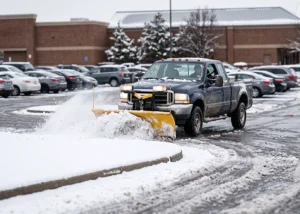
Equipment matters as well. Plow trucks, skid steers, sidewalk machines, and liquid sprayers let pros clear faster and with less surface damage. That speed keeps access open for first responders and reduces slip risk during busy morning hours.
There is also accountability. Contracts set performance standards and response times, which your board can measure and enforce. When expectations are clear, service tends to be dependable.
Reducing Risk, Liability, and Resident Complaints
Slips and falls spike after snow and ice. A documented snow removal plan shows that the association took reasonable steps to keep common areas safe. That record can help if an incident is reviewed by insurers or attorneys.
Residents care about communication and fairness. When they see that sidewalks, curb ramps, and guest spaces receive attention based on a published priority list, complaints soften. People may still ask questions, but they understand the order of work.
Clear staging areas prevent new hazards. Piles placed away from corners preserve sight lines. Keeping drains open reduces refreeze and ponding that would otherwise turn into black ice after sunset.
How to Build a Snow Removal Plan Before the First Snow

Start with a site walk. Bring your manager, a board member, and the contractor. Mark high-risk spots such as slopes, shaded sidewalks, and the areas that get heavy foot traffic before school or work.
Set performance triggers. For example, pretreat at a forecasted freeze after rain, plow at two inches, and return at every additional two inches. You can adjust the thresholds for sidewalks and stairs, which often need attention sooner.
Put inspection and reporting in the plan. Ask for time-stamped service logs and quick photo notes after major visits. Short proof points build trust with your community and make vendor reviews simple.
Service Levels and Triggers to Put in Writing
Spell out levels of service for different areas. Roads and entrances may require bare pavement by the morning commute. Sidewalks and stairs might call for granular traction during storms and a liquid follow-up when temperatures rise.
Common triggers include:
- Pretreatment before an event when pavement temperatures are near freezing
- Plowing once the accumulation meets your agreed depth
- Return visits for drifting, municipal plow windrows, or refreeze
- Ice patrols at sunrise, sunset, and after melting periods
These details remove guesswork. Crews work from your standards, and the board can verify performance against the same list.
Choosing Materials That Fit Your Surfaces and Budget

Salt is reliable in moderate cold and works well above 15°F. Brine, which is a liquid salt solution, can be applied before a storm to prevent bonding and reduce overall salt usage. Sand helps with traction at very low temperatures but needs cleanup later.
Consider surface types. Concrete, pavers, and asphalt react differently to chemicals. Chloride-based products can be hard on concrete and landscaping if used without care. Ask your contractor to match materials to each area of your site.
Balance cost with outcomes. Brine can lower total salt use and limit scatter into lawns, which helps in the spring. Your vendor can help you choose a mix that fits both performance and budget.
Smart Snow Pile Placement and Site Logistics
Decide where snow will be stacked during the walk-through. Keep piles out of handicap spaces, near but not on drains, and never in front of hydrants or utility boxes. Mark those areas with stakes so crews can find them in the dark.
Think about meltwater paths. Afternoon sun can turn piles into streams that cross sidewalks and freeze again at night. A small change in pile placement can prevent that refreeze line from forming.
Plan for hauling after big storms. If your community has limited space, include a trigger for removal when piles reach a set height or block sight lines. State it in the plan so pricing is clear.
Communication That Residents Notice and Use

Set one channel as primary. A short email or text alert before and after storms keeps everyone in the loop. Post the same message on your portal or bulletin board for those who prefer to check on their own.
Use plain language. Tell people when crews are coming, what areas get priority, and where to park. Remind residents to move cars from guest rows during active snow clearing so plows can reach the full width.
Repeat the basics at the start of the season. A one-page summary of your snow removal plan, with map highlights, helps new owners and renters keep up with winter rules.
Budgeting and Contracts Without the Surprises
Decide on contract structure early. Per-push pricing is easy to understand, while seasonal pricing smooths cash flow over the winter. Many HOAs choose a hybrid that sets a base rate with caps and floors, which protects both sides.
Ask for an all-in scope by area. Sidewalks, stairs, mail kiosks, alleys, and private lanes may need different equipment and timing. When these are priced separately in a schedule, it is easier to compare bids.
Require certificates of insurance and named additional insureds. Confirm workers’ compensation coverage and general liability limits with your broker. Small steps like this keep your risk profile steady all winter.
Training, Site Markers, and Resident Responsibilities
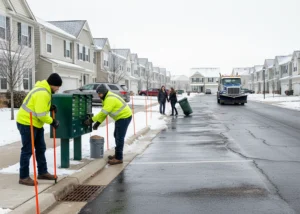
Crews work faster when hazards are marked. Reflective stakes at curbs, drains, islands, and hydrants guide equipment and prevent broken edges. Your vendor can install them during the pre-season visit.
Set simple resident duties. Vehicles should be parked in assigned areas during storms, trash bins pulled back from the curb, and personal salt kept off concrete steps that are under HOA care. A quick checklist in your October newsletter does the job.
Consider on-site bins for high-traffic spots. A bucket of traction mix at a mail kiosk or clubhouse entrance helps staff address slick patches between vendor visits.
Post-Storm Review and Continuous Improvement
After each major event, take ten minutes to review. Did the triggers work, and were timelines met? Were there tight corners or shaded runs that refroze more than expected?
Track complaints and call-backs. A short pattern of issues often points to a simple change, like adjusting pile locations or adding a morning ice patrol. Update the snow removal plan when you find a fix.
End-of-season debriefs help you buy better next year. Bring your manager, the chair of the maintenance committee, and the contractor together. The notes you keep now turn into a stronger scope and cleaner sidewalks next winter.
Why Timing Matters More Than Inches
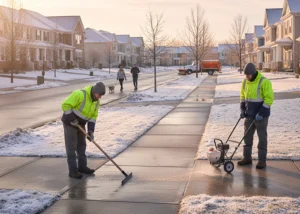
Storm totals get the headlines. In practice, timing drives risk. A light burst at sunrise can be more dangerous than a six-inch stone that falls on a quiet Sunday afternoon.
Your plan should focus on people flow. School hours, morning workouts, deliveries, and evening dog walks all create peaks. Align service windows with those peaks, and you will see fewer slips and fewer calls.
Refreeze is the other driver. Meltwater at 3 p.m. often turns to glaze at 7 p.m. Plan an ice check at dusk and again at dawn on sunny days after a storm. Those two patrols prevent most surprise slick spots.
Clearing vs Cleaning
You will hear a few phrases used for winter work. Snow clearing usually refers to plowing and shoveling to restore access. A snow cleaning plan for HOAs adds details such as de-icing choices, follow-up timing, and post-storm cleanup.
Vendors may use different words in proposals. What matters is that your snow removal plan covers the full cycle from pretreat to final sweep. When everything is defined, winter runs on schedule.
Winter Calm Starts With a Plan
Communities that prepare early stay safer and spend smarter. A clear snow removal plan sets expectations, protects people, and keeps traffic moving when winter hits.
Looking for professional help in clearing snow or ice in your HOA driveway? Charlotte Snow Plow provides expert assistance with its snow plowing services. Call us at 1-844-327-1986 or contact us today to get started!