Winter arrives, and community roads set the tone for safety, access, and goodwill. Common snow plowing mistakes can lead to delays, damage, and complaints. A clear plan, steady communication, and timely follow-through keep things smooth.
Snow Plowing Mistakes Start with No Priority Map
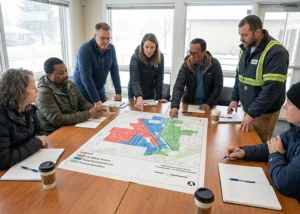
A property map tells crews what matters first. Fire lanes, steep hills, and main exits usually take top billing, with cul-de-sacs and overflow lots close behind. Without a map, trucks wander, residents wait, and emergency access suffers.
Clear color-coding helps. Red for fire and ambulance routes, blue for hills and shaded zones, green for sidewalks and crosswalks. Crews see the order at a glance and get to work.
What to do instead
- Create a simple tiered map: Tier 1 life-safety, Tier 2 primary through-streets, Tier 3 parking and amenities.
- Share the map with your vendor and post a resident version before the first storm.
- Update after any construction, new signage, or traffic changes.
Repeat this plan every season to avoid repeat snow plowing mistakes.
Using the Wrong Equipment and Materials
One size never fits all in winter. Wide blades help on long, straight streets, while smaller units maneuver better in tight townhome lanes. Rubber-edged blades reduce scuffs on decorative pavers. Salt, calcium chloride, and treated products behave differently at different temperatures.
A mismatch costs money and time. Too much rock salt at very low temps does little, while the wrong cutting edge leaves gouges in asphalt or cracks in curbs. Storage also matters because wet piles clump and spread unevenly.
What to do instead
Pick tools for site conditions and common storm types. Calibrate spreaders before the season. Keep de-icers dry and covered. Review material Safety Data Sheets and environmental rules so runoff stays out of storm drains. These small checks prevent costly snow plowing mistakes later.
Inconsistent Trigger Depth and Timing

A storm policy should spell out when plowing starts. Many HOAs set a trigger at two inches, but hills, school-bus routes, and medical needs may call for earlier action. Gaps between passes allow packed snow to bond to the surface, which turns a simple push into hours of scraping.
Timing threads the needle between over-service and slow response. Early morning commutes, weekend events, and trash pickup days all change the plan. A flexible schedule makes room for lake-effect bands and refreezes in shaded spots.
What to do instead
Publish a trigger depth, an overnight plan, and a post-storm follow-up window. Ask your vendor to send a quick start-time text or email when crews roll. Document each pass and material application. Consistency cuts resident complaints and keeps snow plowing mistakes from piling up.
Poor Communication and Vendor Coordination
Even a strong vendor struggles without clear lines of contact. Conflicting instructions, missing gate codes, or locked equipment yards steal precious minutes during the first push. Residents also feel left in the dark when no one explains delays or partial service.
Two-way updates smooth the rough edges. A short alert before a storm sets expectations. A quick note during the event explains priority routes and temporary parking restrictions. A wrap-up message highlights what was done and what comes next.
What to do instead
Set one HOA point person and one vendor lead. Create a shared message template for pre-event, mid-event, and post-event updates. Add a photo or two after the first pass to show progress. Strong communication prevents the most frustrating snow plowing mistakes.
Parking and Tow Plans
Cars parked along narrow lanes stall plows. Seasonal reminder campaigns reduce blockages and move cars to overflow lots for a few hours. Tow protocols should be clear, fair, and consistent.
Ignoring Site Damage and Liability Risks

Curb chips, mailbox strikes, and turf tears add up. So do slips near mail kiosks and clubhouse steps. Missing documentation turns small issues into finger-pointing and claims that drag through spring.
Risk lives where ice lingers. North-facing sidewalks, drains that refreeze, and downspout outlets across walk paths need extra attention. Lighting near stairs and ramps matters, too. Minor fixes now avoid major costs later.
What to do instead
Complete a preseason walk-through with photos and a punch list. Mark obstacles with flexible stakes and bright caps. After each event, record any damage with time-stamped pictures and notify the vendor right away. A careful process prevents snow plowing mistakes from becoming insurance problems.
Sidewalks and Amenities
Playgrounds, dog parks, and mail areas draw steady foot traffic. Keep a small bin of traction material nearby for volunteers or staff to spot-treat slick areas through the day.
Seasonal Prep that Makes Everything Easier
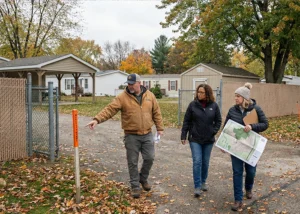
Preparation starts in the fall. Storm stakes go in before the first frost. Drains get cleared of leaves. Speed bumps, fire hydrants, and utility boxes receive tall markers for visibility at night.
Contracts deserve a careful read. Scope, triggers, de-icing products, property damage process, and response times should sit in plain language. Certificates of insurance and hold-harmless clauses protect both the HOA and the vendor.
What to do instead
Host a preseason kickoff with your board, manager, and vendor. Walk the site together. Confirm maps, contacts, gates, and equipment parking. These steps sound simple, yet they prevent expensive snow plowing mistakes when the first storm hits.
Resident Education That Reduces Complaints
Most frustrations come from mismatched expectations. Simple graphics and a one-page winter guide calm nerves and cut repeat calls. Clear rules for on-street parking, mailbox access, and trash can placement make a visible difference.
Kids walk to bus stops in the dark. Seniors need stable footing near mail kiosks. Mark those paths on your map and keep them in the first two tiers. Residents feel seen when the plan matches how they live.
What to do instead
Share the priority map and timing policy on the HOA board, website, and email list. Provide a storm hotline number or monitored inbox. Invite residents to the post-storm HOA surveys so feedback turns into action, not venting.
Budgeting for Reliability, not Surprises

Winter is variable, but your budget does not have to be. Seasonal contracts even out costs across the whole season. Per-push and per-inch models work too, though they require close tracking.
Hidden costs hide in damage repairs and emergency callouts. De-icer price swings and fuel surcharges show up late if no one reviews invoices. Simple dashboards keep the board informed and the vendor aligned.
What to do instead:
Pick a contract model that matches local weather patterns and your risk tolerance. Ask for transparent line items for plowing, sidewalks, materials, loader time, and callouts. Build a small contingency for mid-season surprises so you do not cut corners and make fresh snow plowing mistakes.
A Smoother Winter Ahead
Good winter service looks planned, calm, and predictable. Avoid the big snow plowing mistakes with a clear map, consistent triggers, steady updates, and fast feedback. Residents notice, and safety follows.
Related Articles: