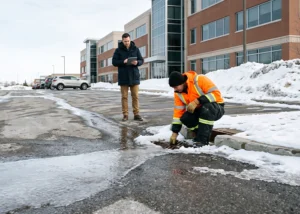
Snow days look simple from the sidewalk, but the work behind them is anything but. The right snow removal equipment turns a long, messy route into a steady routine that customers can count on.
Snow Removal Equipment Core Setup
A dependable snow removal equipment setup usually comes down to three pieces working as one: a truck, a plow, and a spreader. Each part handles a different job, and the best results show up when they match the sites you service.
A clean push without traction leaves snow behind. A great plow without the right spread pattern can still create slick refreeze spots. The goal stays the same every storm: clear, control, and keep it that way.
Truck Choices That Hold Up
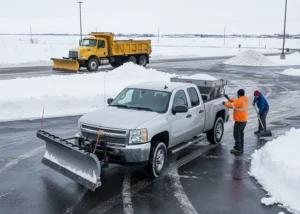
Truck selection drives almost every other choice you make. Front axle capacity, wheelbase, and suspension matter because a plow adds a lot of weight up front, plus more stress from constant starts and stops.
For lighter residential routes, many contractors run half-ton trucks with carefully sized plows. For heavier commercial work, three-quarter-ton and one-ton trucks show up more often because they handle larger blades and carry more material in the bed. The front axle rating deserves a close look before any purchase, since it affects what plow size is safe and stable.
Cab and chassis trucks, dump bodies, and heavier platforms earn their keep on bigger properties and longer pushes. More weight can help with traction, although turning radius and tight parking lanes can become the new problem. In those cases, a smaller truck with the right snow removal machines behind it can outperform a bigger rig that struggles to maneuver.
Blade Styles That Clear Fast
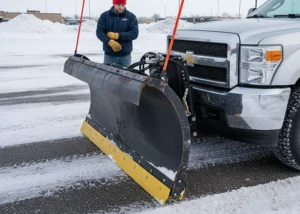
Plow type shapes how you attack each site. Straight blades remain common because they are simple, predictable, and effective on standard drive lanes and smaller lots. Curbs, parked cars, and tight corners feel more manageable with a straightforward edge in front of you.
V-plows bring flexibility when conditions change mid-route. Scoop mode helps carry snow across a lot, while V mode can cut through deeper drifts and windrows. Winged blades also help move more snow per pass, which can reduce time on large open areas.
Pushers and box plows show up on loaders and skid steers more than pickups, and they shine on big commercial lots. Long pushes stay controlled with side walls holding snow in place. A pickup paired with a pusher can still fit the right job, though, especially when the site has wide lanes and clear stacking zones.
Cutting Edges, Trip Systems, and Wear Points
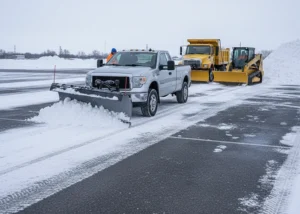
The cutting edge takes the beating so the rest of the plow does not have to. Steel edges handle abrasion well and scrape clean on many surfaces. Poly edges can run quieter and feel less aggressive on sensitive pavement, although performance can vary by site and storm type.
Trip-edge and full-trip designs protect both equipment and operator when hidden obstacles show up. A sudden curb lip or raised joint can jolt the whole rig. A trip system reduces that shock and helps keep the truck pointed where it should be.
Wear points deserve attention before the first heavy event. Pins, bushings, springs, hoses, and fasteners loosen over time. A small issue in early December can turn into a broken night in January.
Controls and Hydraulics That Stay Responsive

Plow control feels personal once a driver has a rhythm. Some teams prefer handheld controllers, while others like joystick layouts. Comfort matters because fatigue leads to sloppy moves and small impacts that add up.
Hydraulic performance shows up most on cold nights when fluid thickens and response slows. A well-maintained system with clean fluid, healthy connections, and protected wiring reacts faster and fails less. Downtime costs more than parts during peak season.
Lighting and visibility belong in the same conversation. Clear plow lights, clean lenses, and a reliable electrical setup help drivers read the surface and spot hazards. That extra clarity makes every pass safer, especially near pedestrians and parked cars.
Spreaders That Finish the Job
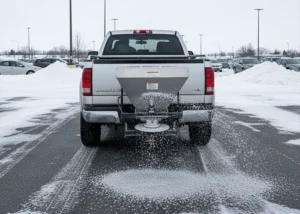
Plowing clears snow. A spreader reduces slip risk and helps keep surfaces open when temperatures drop again. The best approach depends on the sites you service and the materials you apply.
Tailgate spreaders work well for smaller trucks and lighter loads. Hopper and V-box spreaders carry more material and suit longer routes, bigger lots, and heavier storms. Liquid systems, including brine application, can support anti-icing and help materials work faster when used correctly.
Material choice matters as much as the machine. Rock salt remains common, but treated salt, blends, and liquids can improve performance under certain conditions. Calibration should never feel optional, since too much material wastes money and can create its own mess, while too little leaves slick areas behind. The full setup becomes part of your snow removal tools plan, not an afterthought.
Matching Capacity to Real-World Sites
Site layouts decide what “right-sized” means. Narrow drives and townhome lanes usually benefit from shorter blades and tighter turning. Big retail lots reward higher-capacity spreaders and blades that can carry more snow per pass.
Stacking space should be considered before the first push. A plow can move snow all night, but the pile still needs somewhere to go. Islands, fire lanes, and visibility at entrances can limit options fast.
Route length affects everything, too. Long routes call for more onboard material, more fuel planning, and fewer breakdown risks. Short routes can favor smaller rigs that stay nimble and easy to service between events.
Care and Prep Between Storms
Reliability comes from habits, not luck. A quick post-storm routine catches problems while they are still small, and it helps crews start the next event without surprises.
A short checklist keeps things consistent without turning the day into paperwork:
- Fluid levels, especially hydraulic fluid and coolant
- Hoses, connectors, and electrical plugs
- Cutting edge wear and fastener tightness
- Spinner, conveyor, and chute movement on the spreader
Storage and wash-down routines also matter. Salt residue eats metal over time, and moving parts hate corrosion. A clean rig lasts longer, looks better, and runs with fewer mid-storm issues.
Snow Plowing Equipment Decisions That Pay Off
Buying choices land better when they match the work you actually do. Residential-heavy routes rarely need the same snow plowing equipment as large commercial contracts. The best fleets often include a mix, so the right rig goes to the right site.
Operator skill should be part of planning, too. A versatile blade helps, yet training and route knowledge still drive results. Better timing, cleaner passes, and smarter stacking can beat “bigger” equipment that gets used the wrong way.
Equipment upgrades make more sense when they solve a specific pain point. Longer pushes, heavier drifts, or constant refreeze calls can point to the next improvement. That mindset keeps your snow removal equipment spend tied to real returns.
Winter Work Done Right
A strong fleet starts with a clear view of your routes, your sites, and your storm patterns. With well-matched snow removal equipment, the work stays faster, safer, and easier to repeat all season long.
Related Articles:
- Top 5 Snow Plowing Mistakes HOAs Make and How to Avoid Them
- Why Your HOA Needs a Professional Snow Removal Plan Before Winter Hits
- Mid-Winter Snow Management: Strategies to Use