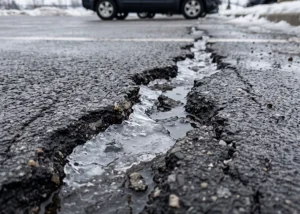
Mid-winter snow management feels different than the first storm of the season. Snow has had time to pack down, crews have been running hard for weeks, and small issues start to add up fast. A few smart adjustments can steady the rest of winter and keep your property safer from here on out.
Mid-Winter Snow Management Reset
Mid-winter snow management works best when it starts with a reset, not a scramble. Early-season routines can drift out of date once snow piles grow, surfaces glaze over, and traffic keeps compressing what your plow missed. A mid-season tune-up brings the plan back in line with real conditions.
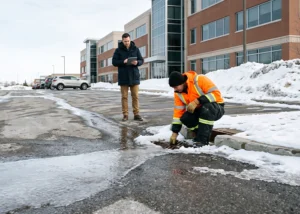
A quick walk of the property helps more than most people expect. Trouble spots show up in plain sight, like slick corners, shaded sidewalks, and drains buried under frozen slush. Those areas tend to stay risky until they get special attention.
Mid-winter snow management also benefits from a short team check-in. A clear service trigger, a shared site map, and one point of contact keep everyone on the same page. Less confusion usually means faster service and fewer repeat visits.
A Clear Priority Map
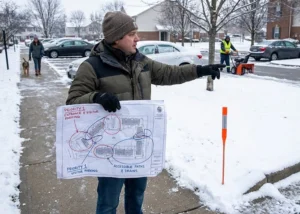
A priority map keeps snow work focused when storms stack up. High-traffic areas deserve first attention, even if that means some low-use zones wait a bit longer. Most slip complaints start near entrances, mail areas, steps, and parking walkways.
One simple site map can call out the spots that always need extra care. A consistent plan also protects landscaping and curbs, since drivers know where they can push snow and where they cannot. Visibility matters here too, especially near intersections and drive lanes.
A solid priority map often includes:
- Main entrances, fire lanes, and loading areas
- Sidewalks to offices, lobbies, and common spaces
- Accessible routes and ramps
- Drain inlets and low points that refreeze
Weather Triggers That Work
Mid-winter weather has more mood swings. A light daytime melt can turn into hard ice after sunset, even when snowfall looks minor. That is why surface conditions matter as much as the forecast total.
A reliable trigger makes planning easier for everyone. Some properties run on a snow-depth trigger, while others need service based on timing, temperature shifts, or freezing rain risk. A good snow partner can help match triggers to your site, instead of forcing a one-size approach.
Better mid-winter snow management also comes from watching the “in-between” events. Drizzle, fog, and refreezing slush can be more dangerous than fluffy snow. Those are the nights when proactive treatment pays off.
Pre-Treatment Timing

Pre-treatment is often the quiet hero of safer winter surfaces. When it is timed well, it helps stop snow and ice from bonding tightly to pavement. Cleanup tends to go faster, and scraping gets less brutal on both equipment and asphalt.
Timing still matters in mid-winter, because surfaces are colder and storms can arrive in waves. A treatment applied too early can get tracked off or diluted. On the other hand, waiting until after bonding begins usually leads to more chemical use later.
A simple approach works for many sites. Pre-treat the high-priority areas first, then expand if the forecast holds. That kind of pacing keeps materials available for the stretch run of the season.
Smarter Deicing Choices
Deicer performance changes with temperature, and mid-winter exposes that fast. Rock salt can lose effectiveness once it gets very cold, which is why surface temperature checks matter. When temperatures drop, other products or added traction materials may be more appropriate.
This is also the point in the season when “more” can backfire. Over-application wastes product, can damage concrete and landscaping, and may create messy slush that refreezes. A measured approach supports cold season snow management without turning every sidewalk into a salt crust.
Material selection works best when it matches the moment. Rock salt, treated salt, calcium-based products, and sand all have a place. The right mix often depends on temperature, foot traffic, and how quickly an area needs to be usable again.
Breaking Up Compacted Snow
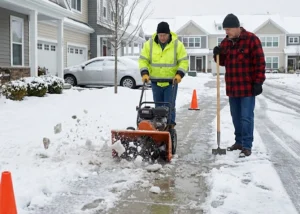
Mid-winter snow is heavier, denser, and more stubborn. Tire traffic compacts snow into a hard layer, and then it turns into a slick base after a thaw-freeze cycle. That is when basic plowing alone starts to feel like it is “not doing anything.”
A more aggressive mechanical pass can help in these situations. Cutting edges, back-dragging at entrances, and targeted scraping break the bond and expose pavement again. Once that base loosens, deicer can do its job with less product.
Consistency matters more than intensity. Compaction is easier to prevent than to remove after it sets up for days. In many cases, mid-winter snow management improves when lots and walkways get a quick touch-up before traffic packs everything down.
Snow Piles Without Problems
Snow has to go somewhere, and mid-season piles can become their own hazard. Tall piles block sight lines, pinch parking, and melt into drive lanes during the day. Then that meltwater refreezes into glossy ice when the temperature drops again.
Placement should protect both drainage and visibility. Placing piles away from storm drains keeps meltwater from backing up and turning into a frozen pond. Keeping corners and crosswalk views clear also reduces close calls for drivers and pedestrians.
Some properties hit the point where hauling becomes the safer choice. When piles start limiting access, the site is telling you it is time. A mid-season hauling plan is often cheaper than dealing with repeated ice events caused by bad runoff.
Walkways, Steps, and Entrances
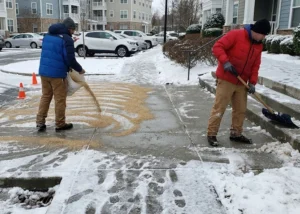
A parking lot can look “fine” while sidewalks remain the real risk. Footpaths collect tracked-in slush, and shaded areas hold ice longer. Steps and curb cuts can also turn into slick bottlenecks during busy hours.
A tighter routine helps here. More frequent touch-ups on pedestrian routes usually beat one big cleanup that happens too late. High-traction materials can also help in cold snaps when melting is slow.
Good mid-winter snow management includes a human factor, too. Residents and employees often take shortcuts, even when paths are cleared. Walkway planning that matches how people actually move reduces the temptation to cut across icy grass or unplowed corners.
Pavement Protection Mid-Season
Mid-winter is when surface damage can creep in. Hidden curbs, raised utility covers, and uneven edges become harder to see once snow banks rise. Plow strikes are more common when drivers are tired and storms keep coming.
Clear markers help prevent costly hits. Reflective stakes near curbs, islands, and hydrants give drivers quick reference points, especially in low light. Small details like that protect pavement, turf, and equipment at the same time.
Salt and freeze-thaw cycles also take a toll on concrete and landscaping. A balanced product plan and careful placement can reduce damage. Your site stays cleaner in spring when mid-winter choices are not overly harsh.
Crew and Equipment Check-In
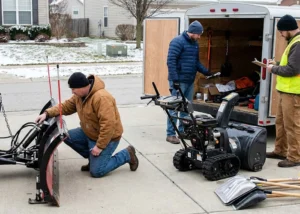
By mid-season, wear and tear is real. Cutting edges dull, hydraulics work harder, and small mechanical issues stop being “small” once a storm hits at 2 a.m. A mid-season maintenance push is often what keeps service reliable through late winter.
Crew fatigue deserves attention as well. Long shifts and cold exposure reduce focus, and that is when mistakes happen. Clear routes, realistic service timing, and backup plans help crews work safely without rushing.
A dependable snow partner usually plans for breakdowns before they occur. Backup equipment, stocked parts, and staged materials make service steadier. That stability matters most when winter turns into a weekly routine.
Communication and Documentation
Silence is where frustration grows. People get anxious when they do not know what is happening, especially after repeated storms. Short updates calm things down, even when the message is simply that service is in progress.
Clear expectations should be shared in plain language. Timing, parking rules during plowing, and priority areas are easier to accept when they are spelled out early. Mid-winter is a good time to repeat those basics, since new residents and staff may not know the routine.
Documentation protects everyone. Service logs, time-stamped notes, and before-and-after photos help track what was done and when. Those records also support smarter improvements for the next storm cycle.
Ready for the Next Storm
Mid-winter snow management gets easier when the plan matches reality, not the calendar. A few targeted upgrades can reduce ice risk, improve response time, and help the rest of winter feel more controlled. The next storm will still arrive, but it will land on a site that is better prepared.
Related Articles:
- Why Your HOA Needs a Professional Snow Removal Plan Before Winter Hits
- Salt vs Brine: What Works Best for Charlotte’s Winter Roads and Lots?