Winter weather creates challenges for homeowners, business owners, and property managers alike. Choosing the right snow removal equipment can save time, reduce labor, and help keep properties safe during storms.
When comparing snow blowers vs plows, the best choice often depends on property size, snowfall amounts, budget, and how quickly snow needs to be cleared.
Understanding the Basics
When discussing snow blowers vs plows, it helps to understand that both tools accomplish the same goal in very different ways. Snow blowers collect snow and throw it away from the cleared area, while plows push snow to designated locations.
Snow blowers usually operate using gasoline, electricity, or battery power. They use an auger and impeller system to pull in snow and discharge it through a chute. Plows, on the other hand, are mounted on trucks, ATVs, skid steers, or specialized equipment and physically push snow aside.
Both systems have strengths. The right option depends largely on the property being maintained and the amount of snowfall expected throughout the season.
How Snow Blowers Work

A snow blower removes snow by gathering it through rotating blades. The snow then moves through a chute and is discharged several feet away from the operator.
Single-stage models work well for light snowfalls and smaller driveways. Two-stage and three-stage machines handle deeper snow and heavier accumulations. These larger machines can manage packed snow and ice that smaller units may struggle to remove.
Homeowners often choose snow blowers because they offer precision. Walkways, patios, decks, and narrow areas can be cleared effectively without damaging nearby landscaping.
Because the snow is thrown away from the cleared surface, buildup along the edges remains minimal.
How Snow Plows Work
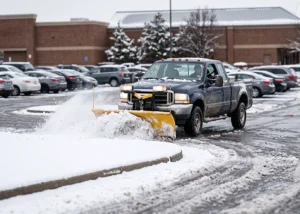
Snow plows operate differently. Instead of lifting snow into a machine, the blade pushes snow toward one side or into designated piles.
Most commercial snow plows attach to pickup trucks or utility vehicles. Large parking lots, roadways, and commercial properties benefit from this method because large areas can be cleared quickly.
Modern plows often include hydraulic controls that allow operators to adjust blade angles while working. Some blades can even form V-shapes or scoop configurations to improve performance in different snow conditions.
Professional snow removal companies frequently use plows because speed becomes critical during winter storms.
Property Size Makes a Big Difference

The size of the property often determines which equipment performs better.
A homeowner with a short driveway and sidewalks may find that a snow blower provides enough power and control. The machine can reach tight spaces and leave surfaces relatively clean.
A commercial parking lot tells a different story. Clearing thousands of square feet with a walk-behind machine would require considerable time and effort. A truck-mounted plow can finish the same work in a fraction of the time.
Large residential communities, retail centers, office complexes, and industrial sites typically rely on plows because of their efficiency.
Smaller residential properties often benefit from snow blowers.
Snow Depth and Weather Conditions
Snow conditions play an important role in equipment selection.
Light and fluffy snow can be managed by nearly any machine. Heavy, wet snow creates additional challenges. Deep accumulations may overwhelm smaller snow blowers, especially single-stage models.
Plows excel during large snow events because they move significant amounts of snow quickly. However, extremely deep snow may require multiple passes.
Snow blowers perform especially well when snow needs to be removed completely rather than simply relocated. This becomes important when storage space for snow piles is limited.
Regions that receive frequent snowstorms often benefit from a combination of both methods.
Speed and Efficiency Comparison

One of the biggest differences between snow blowers and plows involves speed.
Plows clear large areas rapidly. Parking lots, roadways, and long driveways can often be completed within minutes. Commercial operations depend on this efficiency because businesses need safe access as quickly as possible.
Snow blowers require more time. Since the operator walks behind the machine, progress occurs at a slower pace.
That slower pace does offer advantages. Snow blowers provide greater accuracy and allow operators to work around landscaping, decorative features, and narrow walkways.
For large-scale operations, plows usually deliver the fastest results.
Surface Protection and Property Damage
Property owners often worry about potential damage during snow removal.
Snow blowers generally create less risk to pavement, curbs, and landscaping. The machine rides above the surface and removes snow without applying heavy force.
Plows place pressure against pavement while pushing snow. Improper blade settings may scrape surfaces or catch uneven sections of concrete. Curbs, decorative edging, and landscape features can sometimes be damaged if operators are unfamiliar with the property.
Experienced snow professionals minimize these risks through proper blade adjustments and site familiarity.
Homeowners with delicate surfaces may prefer snow blowers for added control.
Cost Considerations
Budget frequently influences equipment decisions.
Snow blowers range from relatively affordable entry-level models to larger commercial-grade machines. Maintenance costs generally remain moderate, especially for residential units.
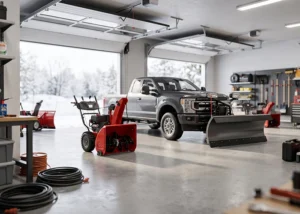
Plows involve greater investment. Vehicle-mounted systems require the plow itself, installation equipment, hydraulic systems, and an appropriate truck or utility vehicle.
Professional snow removal services often offset these expenses by servicing multiple properties.
When evaluating costs, property owners should consider:
- Initial equipment investment
- Fuel expenses
- Maintenance costs
- Storage requirements
- Labor needs
- Replacement parts
A lower purchase price does not always mean lower long-term costs.
Maintenance Requirements
Every piece of snow removal equipment requires maintenance.
Snow blowers need regular inspections of belts, spark plugs, augers, fuel systems, and oil levels. Battery-powered models require charging and battery maintenance.
Plows require hydraulic fluid checks, blade inspections, electrical testing, and vehicle maintenance. Since the plow depends on the truck or equipment carrying it, both systems must remain operational.
Professional snow contractors often perform preseason inspections to reduce breakdowns during storms.
Routine maintenance helps extend equipment life and improve reliability when winter weather arrives.
Safety Considerations

Safety should always remain a priority during snow removal.
Snow blowers involve moving augers and impellers that can create hazards if the machine becomes clogged. Operators should never place their hands near moving parts.
Plows introduce different risks. Large vehicles operating in low-visibility conditions can create hazards for pedestrians, parked cars, and structures.
Ice, poor visibility, and fatigue may also increase accident risks during major storms.
Some basic safety practices include:
- Wear proper winter footwear.
- Maintain adequate lighting.
- Inspect equipment before use.
- Avoid overexertion.
- Follow manufacturer guidelines.
- Remain aware of surroundings.
Safe operation protects both operators and property.
Environmental Factors to Consider
Environmental conditions may influence equipment selection.
Electric and battery-powered snow blowers produce fewer emissions than gasoline engines. They also operate more quietly, making them attractive for residential neighborhoods.
Truck-mounted plows consume fuel and produce emissions during operation. Larger commercial equipment often operates for extended periods during storms.
At the same time, faster snow removal may reduce the total operating hours needed to clear large areas.
Many contractors now use newer vehicles and efficient equipment to reduce environmental impact.
When a Snow Blower Is the Better Choice
A snow blower may be the best option when:
- The property is relatively small.
- Walkways require precise clearing.
- Snow storage space is limited.
- Landscaping protection is important.
- The owner prefers independent snow removal.
- Noise reduction matters.
Many homeowners appreciate the control that snow blowers provide.
The ability to completely remove snow instead of piling it nearby can make winter maintenance easier throughout the season.
When a Snow Plow Is the Better Choice
Plows typically work best when:
- Large areas require clearing.
- Speed is important.
- Commercial access must remain open.
- Snowfall totals are significant.
- Multiple properties require service.
- Professional snow management is needed.
Commercial property owners often rely on snow plowing services because the equipment delivers fast, dependable results.
For many businesses, keeping parking lots and entrances accessible becomes essential for operations.
Can You Use Both?
Many property owners use both methods together.
Commercial snow contractors frequently plow parking areas and then use snow blowers for sidewalks, entrances, and tight spaces. This combination provides efficiency while maintaining detailed snow removal around buildings.
Residential properties with long driveways may also benefit from both tools. The driveway can be plowed while sidewalks and smaller areas receive additional attention from a snow blower.
Combining equipment often delivers the most complete results.
Finding the Right Snow Removal Solution
Choosing between snow blowers and plows depends on your property’s specific needs. Factors such as snowfall totals, property size, available budget, and maintenance expectations all influence the decision.
Some property owners prefer handling snow removal themselves. Others rely on professional snow removal companies to ensure reliable service throughout winter.
Understanding the advantages and limitations of each method helps property owners make informed decisions before the first snowfall arrives.
Keep Your Property Ready All Winter Long
Snow removal is not a one-size-fits-all solution. Snow blowers offer precision and flexibility, while plows provide speed and efficiency for larger areas.
Winter storms rarely wait for convenient timing. Having the right snow removal strategy in place can make every snowfall easier to manage.
Keep your property safe, accessible, and ready for business no matter what winter brings. Contact Charlotte Snow Plow today to schedule dependable snow removal services. Call 844-327-1986 or reach out online to get started.
Related Articles:
- Why Your HOA Needs a Professional Snow Removal Plan Before Winter Hits
- Manual vs Mechanical Ice Removal: Which Method Works Best for HOA Communities?
- How to Choose the Right De-icing Product for Your Property